

1.Prologue
One of the great things about Tokyo is that culture, art, and sports from around the world are at your fingertips.
Many Japanese people seem to think that America is the epicenter of the world—a place where you can get your hands on information from around the world, but that is a misconception. I would submit that the majority of America is only interested in American culture.
Most Americans only watch American movies and only listen to American music. With sports, Americans are invested in football (the NFL), baseball (the MLB), and basketball (the NBA), and uninterested in the Olympics or soccer (other than their own exploits).
When it comes to entertainment, audience interest lies mostly on domestic entertainments. (Granted, the same can be said for Japan.)
Although there is a stratum of intellectual-types who have an interest in art and classical music, the masses are chiefly preoccupied with celebrity gossip.
However, in Tokyo, cultural experiences are abound (albeit often through a Japanese lens)—American culture, European culture, Asian culture, and of course, Japanese culture. There are many excellent art museums and galleries, and wherever I go, the scene seems to be thriving.
The variety is not limited to highbrow art, of course. There’s nowhere else in the world where you can find the variety of cuisine you can find in Tokyo—not to mention the quality you get for the price.
Over the past several years the quality of the curating at Tokyo’s art museum seems to have taken it to another level. The exhibitions are fresh and original, and there is a bounty of rotating exhibits passing through at any given moment.
2.The National Art Center, Tokyo
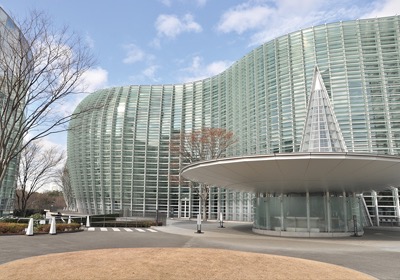
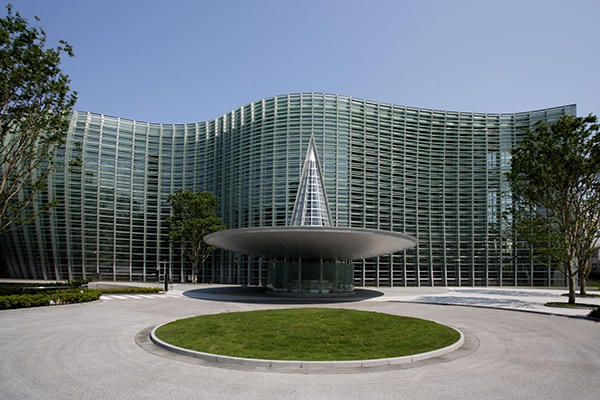
The NACT is one of Japan’s largest art museums in terms of floorspace, just a hop, skip, and a jump from Tokyo Midtown. The building was designed by the late Kurokawa Kisho, and its facade gets the name “glass curtain wall” from its undulating, wave-like shape.
A word about the name: The National Art Center, Tokyo. Although the facility is called a bijutsukan (museum) in Japanese, it’s called an art center in English to set itself apart from the other national art museums—it is the only one without a permanent collection or permanent exhibition.
There are usually multiple exhibitions going on at any given time, mostly Western and Japanese modern and contemporary art. Some exhibitions can be entered for free, so this is a great place to visit on a whim too. The restaurant and cafe have a great vibe, and it’s no surprise the NACT is such a popular date destination.
Furthermore the NACT’s art library—entry is free—collects exhibition catalogs provided courtesy of museums from across the country and abroad. It is an invaluable resource for anybody interested in art.
<GENERAL INFO>
The National Art Center, Tokyo
3.Suntory Museum
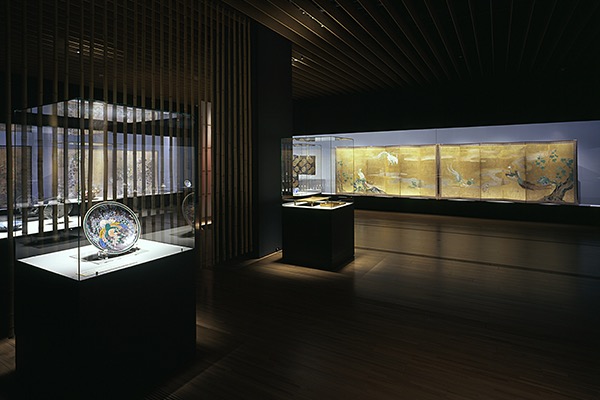
This private art museum is located on the third floor of the Galleria wing of Tokyo Midtown. The architecture by Kuma Kengo is a mix of Japanese tradition and modern design. As the name suggests, the museum is owned by Suntory, and there are floor sections throughout the museum that are made using wood from recycled whiskey barrels.
Under the central theme of “Art in Life", the museum holds themed temporary exhibitions primarily focused on Japanese antiquities. Its permanent collection includes masterworks of painting, ceramics, lacquerware, dyed textiles, and glassware from the East and West, including one national treasure and 15 important cultural properties.
In addition to the gift shop and cafe, there is an adjacent tearoom, Gencho-an, where guests can enjoy a cup of matcha and Japanese sweets. It’s important to note, however, that the tearoom is only open for designated Thursdays during exhibitions, and capacity is limited. Reservations are not accepted; tickets can be purchased at the reception desk on the day, starting at 10:00 am.
<GENERAL INFO>
Suntory Museum of Art
4.Mori Art Museum
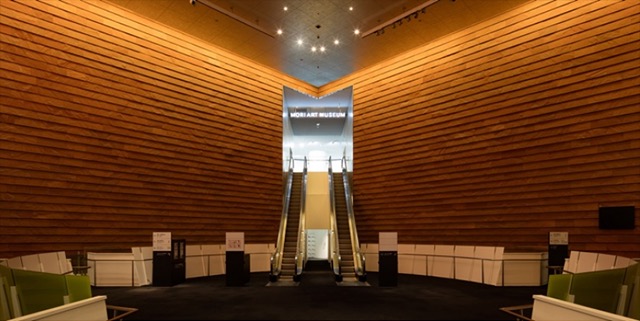
Mori Art Museum is located on the 53rd floor of Roppongi Hills. It has no permanent exhibits, and instead holds exhibitions spotlighting contemporary artists in a variety of mediums—painting, photography, fashion, architecture, etc.
For the museum’s “N.S. Harsha: Charming Journey" exhibition held during the first half of 2017, visitors were allowed to take photographs freely. The exhibition is also notable for being Instagram’s first #empty movement event in Japan, where select guests were allowed explore the exhibition afterhours and post their experiences on social media.
Paying admission will also get you access to the rooftop observation deck, called Tokyo City View—so although art museums are great rainy-day destinations, I recommend checking out Mori Art Museum when the weather is clear.
<GENERAL INFO>
Mori Art Museum
5.Nezu Museum
Nezu Museum is called an urban oasis, the perfect spot to take a break amid a day of shopping around the Aoyama area.
Its collection is comprised of over 7,400 antiquities from Japan as well as China and Korea, with many national treasures, important cultural properties, including many pieces of Buddhist Art. Selections from that collection are presented under a variety of themed exhibitions. Although the floorspace is modest, the museum is always an eyeful.
The highlight is the 17,000-square-meter Japanese garden—itself a popular destination for foreign tourists. Take a stroll to calm the senses, then enjoy a cup of tea or coffee at NEZUCAFÉ—three out of its four walls are floor-to-ceiling windows offering a view of the garden. (Visitors must pay the museum entrance fee to access the garden and cafe.)
<GENERAL INFO>
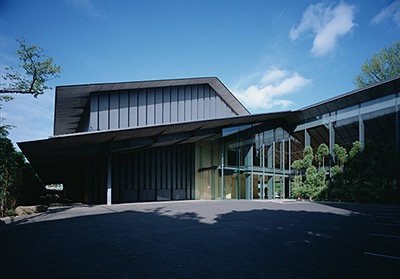
Nezu Museum
6.Taro Okamoto Memorial Museum
Artist Okamoto Taro’s home studio was renovated into this art museum located along Kotto-dori, just a short walk from Nezu Museum. Inside you can find not only his abstract sculptures, but also the tools he used in his work.
Side note, partway between Taro Okamoto Memorial Museum and Nezu Museum—towards Kotto-dori—is the jazz club Blue Note Tokyo, offering the perfect way to wind down after a day of shopping and art. I submit there’s no better way to spend a day off.
<GENERAL INFO>
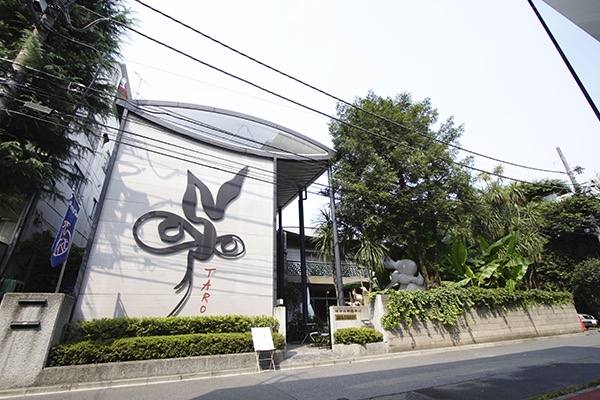
Taro Okamoto Memorial Museum
7.Tokyo Photographic Art Museum
This public art museum located in Yebisu Garden Place specializes in photographs and moving images, with over 34,000 works from around Japan and the world. The four-floor facility has three exhibition galleries for photography and moving image works, and a library that makes available to readers information related to photography and image media exhibitions and research.
Side note, in conjunction with its reopening in 2016, it adopted a new name in English as well as a new logo, in order to better capture its dedication to moving images and photographs: Tokyo Photographic Art Museum, or TOP Museum for short.
<GENERAL INFO>
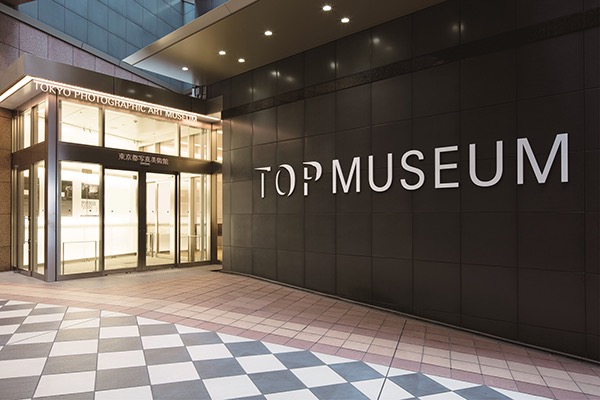
Tokyo Photographic Art Museum
8.Tokyo Metropolitan Teien Art Museum
Originally the residence of Asaka-no-miya (Prince Asaka) a member of the former Imperial Family, the art deco-style main building is itself a work of art. (The building has been designated a national important cultural property.) Art deco is a style of decoration that developed out of the International Exhibition of Modern Decorative and Industrial Arts held in Paris in 1925. It is characterized by bold lines, streamlined designs, and geometric patterns.
The gardens that surround the main building are one of the biggest highlights. There is a beautiful lawn, a Japanese garden, and a Western-style garden (improvements to the latter were completed earlier in 2018). From the name “teien", which means garden, you might expect the museum to be dedicated to gardening and horticulture, but the exhibitions held in the main building mostly spotlight modern art, fashion, and design.
<GENERAL INFO>
Tokyo Metropolitan Teien Art Museum
9.The Japan Folk Crafts Museum
The Japan Folk Crafts Museum sits amid a quiet residential neighborhood close to the University of Tokyo’s Komaba campus. It was founded by Yanagi Soetsu, who was the founding father of the Mingei folk art movement, which was about discovering the beauty in everyday crafts made by unknown craftspeople.
The museum collects and exhibits a range of crafts, including ceramics, textiles, woodwork, and, of course, crafts made by Mingei movement artists.
The closest train station is the Komaba-Todaimae Station along the Keio Inokashira Line. Despite its residential location a short distance from the station, the museum can get crowded on the weekends, although even then there is still plenty of breathing room to take in the exhibits at your pace. Plan on spending about an hour walking around the building. As the main building has been designated a national tangible cultural property, visitors must take off their shoes before entering.
Also recommended is The Coffeeshop Roast Works, which is about 10 minutes away by foot, or the oden restaurant Okame, which is about 7 minutes away. (Oden is a winter food where fishcakes and various vegetables are simmered in dashi broth.)
<GENERAL INFO>
The Japan Folk Crafts Museum
10.Bunkamura The Museum (currently closed)
*Bunkamura The Museum is currently closed
From the Hachiko Exit of Shibuya Station, head toward Shibuya 109, then veer right and head down Bunkamura-dori to find Bunkamura, a multipurpose cultural complex that stands adjacent to Tokyu Department Store Main Store.
The Museum (yes, that’s the name) holds around four to six exhibitions a year that shine a light on Japanese and foreign masters of modern art and others.
Other than The Museum, the facility also has a concert hall called Orchard Hall, a theater called Theater Cocoon, a movie theater called Le Cinéma, a gallery space, a museum gift shop, a restaurant, and more.
11.Watari-um (The Watari Museum of Contemporary Art)
This museum of contemporary art is located along Gaien Nishi-dori, about an 8-minute walk from Gaienmae Station on the Tokyo Metro Ginza subway line. If you’re headed over from the Harajuku/Omotesando area, take Hara Nihon-dori—the street on the left side of the Apple Store that is lined with many shops, including the tonkatsu institution Maisen—all the way to the end and make a left.
The museum holds about three or four exhibitions a year that spotlight contemporary art—photographs, video art, architecture, design—from Japan and around the world, along with various workshops and lectures that complement the running exhibition. On most days the museum closes at 19:00, but every Wednesday the doors are open until 21:00—perfect for an after-work change of scenery in the middle of the week.
The geometric four-story building, designed by Swiss architect Mario Botta, sits atop a triangular plot of land. Mario Botta is also responsible for the revamped design of the San Francisco Modern Art Museum when it relocated in 1995. For that reason, the facade of Watari-um has always felt very familiar to me.
If you get the chance, also check out Fuga, the flower and plants shop right next door—you’ll be rejuvenated.
<GENERAL INFO>
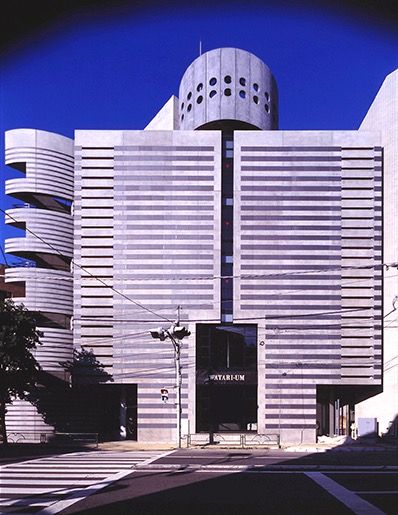
Watari-um (The Watari Museum of Contemporary Art)
12.On Sundays
On Sundays is the museum gift shop of Watari-um. On the first floor you’ll find stationery, postcards and zakka (miscellaneous items and curio), and downstairs is a cafe and a bookstore with an eye-popping selection of art, design, and photo books.
<GENERAL INFO>
On Sundays
13.MoMA Design Store
MoMA Design Store is the official museum shop of New York’s Museum of Modern Art (MoMA). It’s Harajuku location is on the 3rd floor of the multipurpose complex Gyre, which sits at about the midpoint of Omotesando mainstreet.
The shop sells not only MoMA products, but various well-designed interior design and zakka products and playful items for everyday life. In other words, browsing the shop is like walking through a museum, with plenty of things to see. The prices aren’t cheap, but think of it as bringing home a piece of art to incorporate into your life.
<GENERAL INFO>
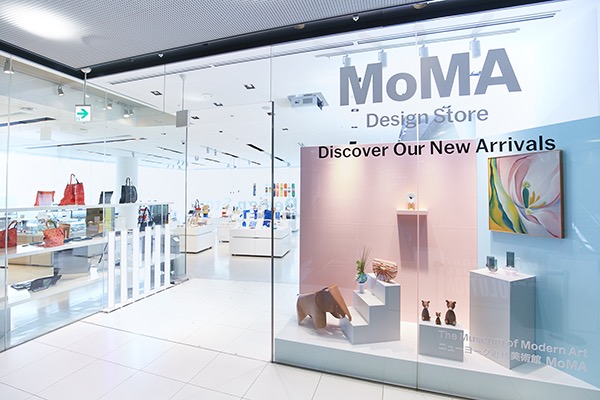
MoMA Design Store
14.Yayoi Kusama Museum
At this point, contemporary artist Yayoi Kusama is someone who needs no introduction—anyone who appreciates art is likely familiar with her name. This is her museum.
The museum consists of five floors and presents Kusama’s works through two exhibitions a year.
Door tickets are not available, and tickets must be bought in advance only through the museum’s website. Entry is limited to a set number of visitors for a set number of timeslots a day. See the official website for more information.
<GENERAL INFO>
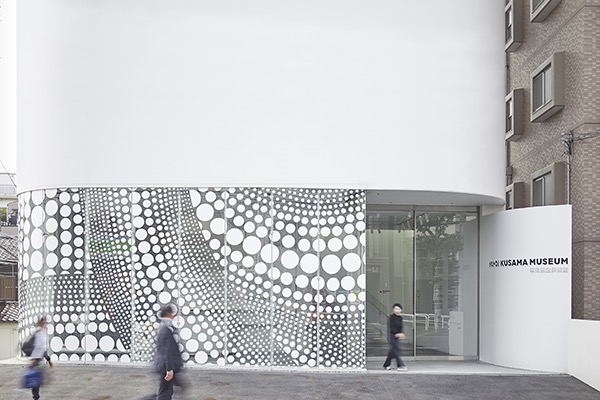
Yayoi Kusama Museum
15.Epilogue
One last word about Yanagi Soetsu.
Subsequent to the Meiji Restoration (when Japan was opened up to the West) and all the way up to the present, Japanese people have tended to see Western culture as superior and their own culture as inferior. However, in pre-war Japan, Yanagi Soetsu shined a light on Japanese mass culture. He founded the Mingei folk art movement.
According to Wikipedia, the Mingei movement started with Yanagi’s prospectus for the Japan Folk Crafts Museum. The movement was about discovering yo-no-bi (the beauty of utility)—in other words, finding the beauty in handmade utilitarian items that had been used in daily life.
Yanagi would found the Japan Folk Crafts Museum in Komaba in 1936.
The exhibits and events are not particularly showy or flashy, but the museum is worth a visit, for both Japanese and foreign visitors.
Side note, BigBrother regularly uses a stainless steel saucepan designed by the late product designer Yanagi Sori, who was the eldest son of Yanagi Soetsu.


